
Living more Me


In my experience living an authentic life in relationship with a higher power requires living a set of virtues along with it, as if dancing with the divine has a frequency, and to maintain the frequency one must have a set of standards they are honorable too. If I don’t walk my talk then who am I really? A performer or an imperfect walking example of a life lived in connection with the divine and my soul?
Walking examples are far from perfect, I won’t pretend to always live my virtues, two of which are courage and truthfulness, yet I do try. One of the ways in which I try to embody courage and truthfulness is with the practice of nonviolent communication. Nonviolent communication comes from the life work of Dr. Marshall B. Rosenberg; it is a gift he left us. A way in which he demonstrated his spirituality by teaching a way of interacting that at its core is designed to have participants feel seen and heard. Currently, training programs are offered by the nonprofit he founded, The Center for Nonviolent Communication.
Not wanting to oversimplify this training I will simply say it makes conversation less combative and kinder, gentler with one another. It is a method that is used in many capacities now.
Dr. Rosenburg stated that “The cause of our feelings is our needs, not other people’s behavior”. More specifically our needs are not met. We are not taught to become friends with our personal needs. We may not even be aware of them. If we work with our feelings though we can excavate our needs, as our feelings are directly tied to them. The work done by NVC in this area of relating our needs and feelings is powerful for understanding another in relationship and in understanding ourselves.
It is both art and science and takes practice and bravery. Dr. Rosenburg referred to NVC as a process that “connects to what is alive in another person”.
In my experience, it takes courage to hear another’s truth and not reject it, or minimize it, or judge it. It takes a willingness in either chair to be present with your own feelings and needs. Some of us were not taught to live with ourselves, we were taught to be the performer, rather than the part that feels, sees, hears. The part that is our compass to ourselves.
It is helpful at first to connect to a feeling wheel. A feeling wheel is a wheel that lists feelings. It helps to self-regulate when you can connect to what you are feeling. I remember the first time I used one, I felt silly and awkward. However, the more I used it, the more I became in touch with myself. Being a friend to your feelings helps you be a friend to your needs and values, for your feelings give you information about whether your needs and/or values are being met. When I am feeling frustrated, perhaps a core need like autonomy, respect or fairness is not being met. You can locate a Feelings and Needs Inventory at the Center for Nonviolence, cnvc.org.
One thing I remember reading is that while I am feeling my emotions, I cannot simultaneously be present with the other person. Sometimes, I am triggered and need to be with the emotion so I can find the need. In that case I should pause, because I cannot be present to the moment. I love how NVC is respectful of needs and feelings.
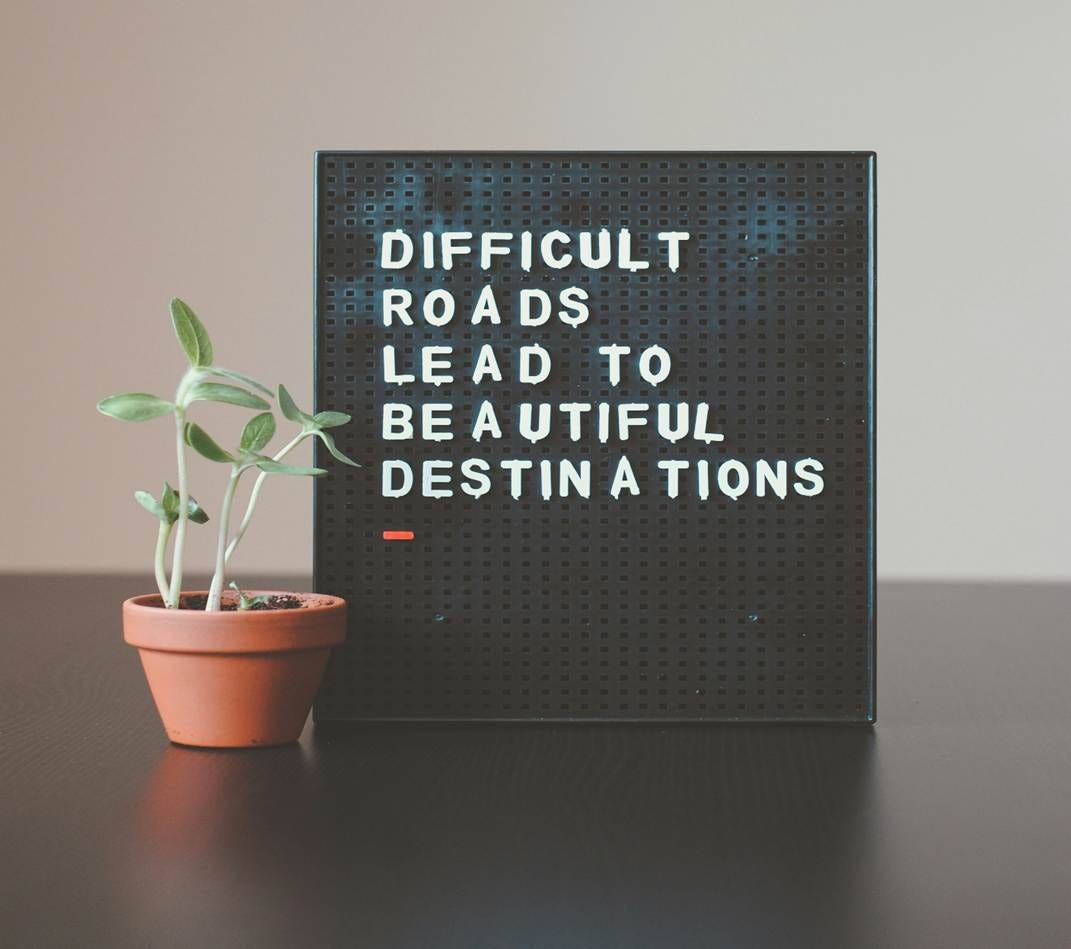
Paying attention to our needs, and that we have needs, leads to more contentment, and less personal frustration if we honor them. Living virtues is about honoring yourself, your soul, and it is a lifehack plan. It is your way of expressing yourself on Earth while developing personal authenticity and minimizing personal karma towards others. One way I discovered my values was to write a list of values I admired in another; I found there was a correlation between what I valued in another and what I value. In each personal interaction, my power resides in how I respond. My responses are less automatic and triggered if I develop the capacity for self-analysis, which for me means paying attention to what I am feeling, then looking to whether this is coming from the moment, or a past life trigger.
Learning to differentiate keeps me responsible for my own healing and creates space to live love in interpersonal relationships. It also helps me develop interpersonal boundaries. Most importantly though, it helps me from being lost in my thinking brain, where I live a loop of analysis; Feeling my feelings, stops the brain thinking loop, at least for me.
I cannot think my way to happiness; I can only feel my way there. Learning how I get in my own way to that helps me create more happiness. Accepting that I have needs, and those needs tell me about myself, is a form of self-care. The more of me I can accept and not turn away from, the more I can change what I don’t like, and create more of who I do. Knowing myself becomes an opportunity to become my own best friend.
I leave you with these affirmations:
I acknowledge my feelings for they lead me to my needs, and knowing my needs leads me to more personal happiness.
I live a life congruent with my values, and my feelings are my barometer to whether I am being true to myself.
I hear my soul voice, and I respect myself enough to live an authentic life.
Copyright© L Kay Smith 2026
I love this. “Living more Me.”
Thank you from the bottom of my heart for this important article.
NVC (Nonviolent Communication) is a wonderful and powerful practice. I had the privilege of studying it for eight years with a woman who was a direct student of Marshall Rosenberg.
Together with a talented graphic designer here in Hungary, they created a beautiful deck of cards that illustrates feelings and needs. The cards make it much easier to activate our often passive emotional vocabulary and to recognize the underlying needs beneath our feelings.
The larger facilitator's version of the deck is bilingual, with English on one side, so I highly recommend it. It's a wonderful tool for building genuine heart-to-heart bridges between people. Here you are: https://kompatia.hu/en/